Georgia Tech Space Week
Georgia Tech Space Week is a campus-wide celebration of innovation in the space domain, bringing together academia, industry, and government. From September 22–25, explore technical sessions, networking opportunities, and events that showcase interdisciplinary research and spark new collaborations.
There is Still Time to Register
There's still time to join us for Georgia Tech Space Week. Register online today, or sign up on-site during the event. We welcome students, faculty, staff, industry professionals, and space enthusiasts from across the community.
Explore the Big Questions of Space Week
How do we build spacecraft that survive extreme environments? What will it take for humans to live and work on other worlds? Can space become a self-sustaining economy? How do we securely track objects and process data in orbit?
Explore four days of talks, panels, posters, and conversations examining the questions shaping the future of space. Registration extended for the event.
Featured Events
Space Week Mission Control
From how we build spacecraft that survive harsh environments to what it will take for humans to live beyond Earth, Georgia Tech Space Week's Mission Control brings together researchers, entrepreneurs, policymakers, industry leaders, and government partners to explore the questions shaping the future of space.
Browse the sessions below and discover where you'd like to join the conversation.
Space Policy
How do we ensure space activities serve humanity's long-term goals?
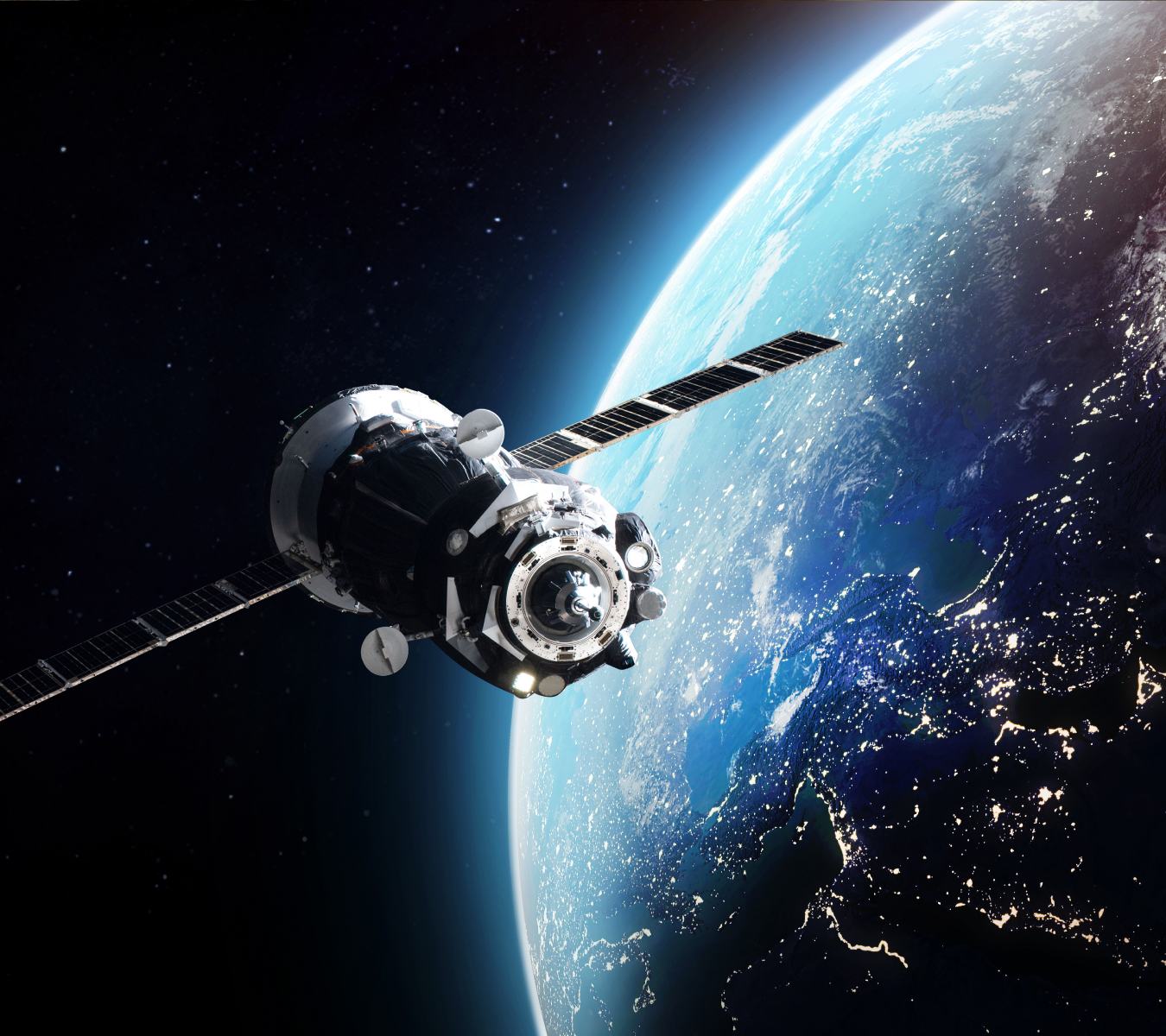
Space policy shapes everything from lunar exploration and national security to satellite internet and weather forecasting. This session examines how governments, commercial organizations, and international partners can work together to build a secure, sustainable, and innovative future in space.
When: Tuesday, Sept. 22 | 9:30 a.m. – 12:30 p.m.
Featured: Astronaut keynote from Sandy Magnus plus talks exploring space security, policy, and strategic decision-making in orbit.
Space Domain Awareness
How do you find and track objects in the vastness of space?
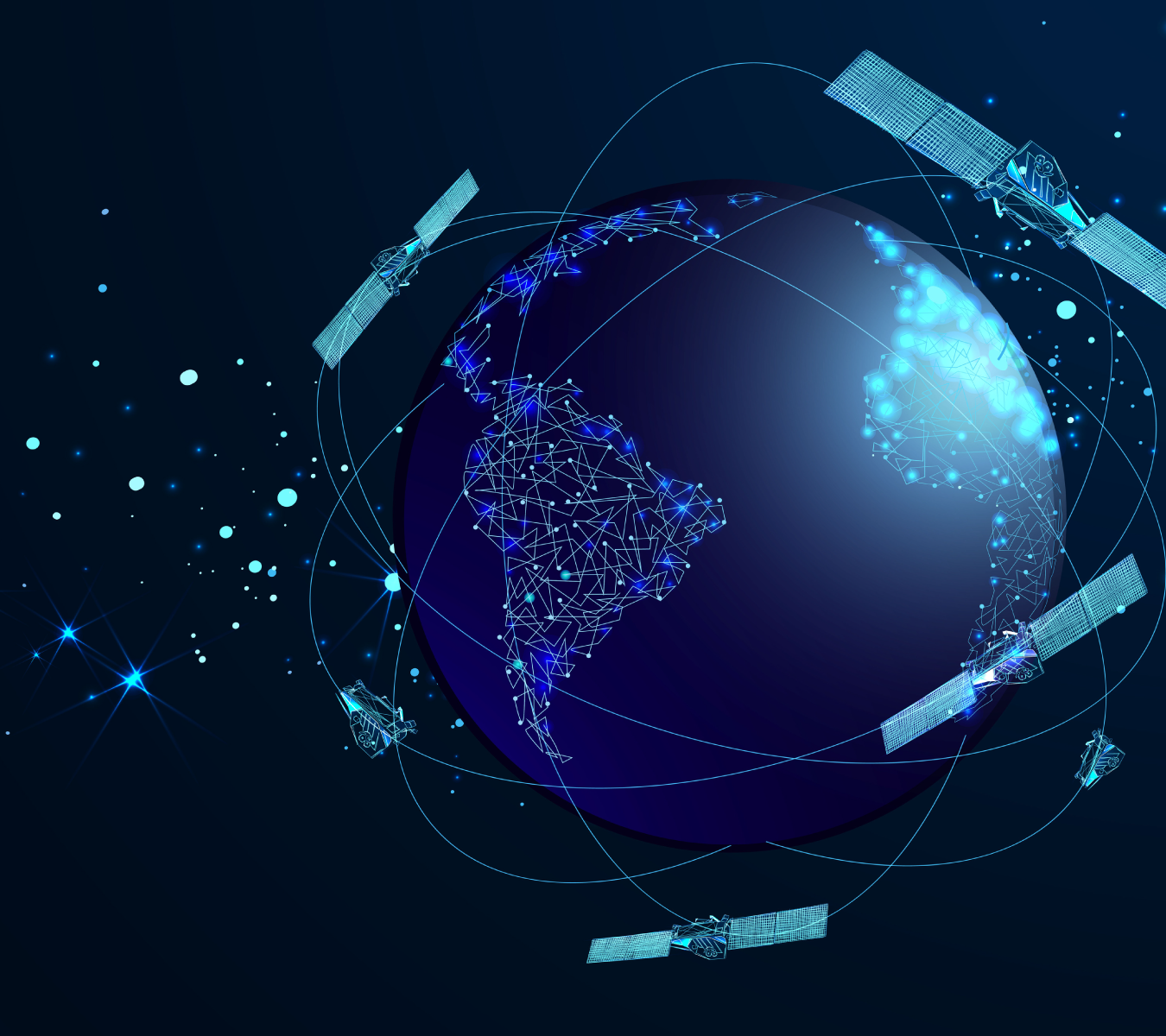
As Earth's orbital environment becomes increasingly crowded, understanding where satellites, spacecraft, and debris are located is becoming more important than ever. This session explores the technologies and techniques used to observe, characterize, and track objects across the space domain.
When: Tuesday, Sept. 22 | 12:30 – 2:00 p.m.
Featured: Citizen-science tracking systems, satellite characterization, hyperspectral imaging, and emerging approaches to space situational awareness.

Satellite Cloud Computing
What happens when cloud computing moves to orbit?
As satellite constellations grow and data volumes increase, researchers are exploring entirely new models for computing in space. This session examines orbital data centers, distributed satellite systems, megaconstellation management, cybersecurity, and the future of computing beyond Earth.
When: Tuesday, Sept. 22 | 2:15 – 4:15 p.m.
Featured: Speakers from Georgia Tech and the University of Michigan discussing orbital compute clouds and next-generation space infrastructure.

Space Entrepreneurism
Can space become a self-sustaining economy?
The cost of accessing space has fallen dramatically. Now the challenge is transforming that access into sustainable commercial opportunities. This session brings together investors, founders, and industry leaders to discuss the technologies, capital, and infrastructure driving the growing space economy.
When: Wednesday, Sept. 23 | 9:00 a.m. – 12:00 p.m.
Featured: Panels on investment, startup growth, and enabling infrastructure for future space businesses.
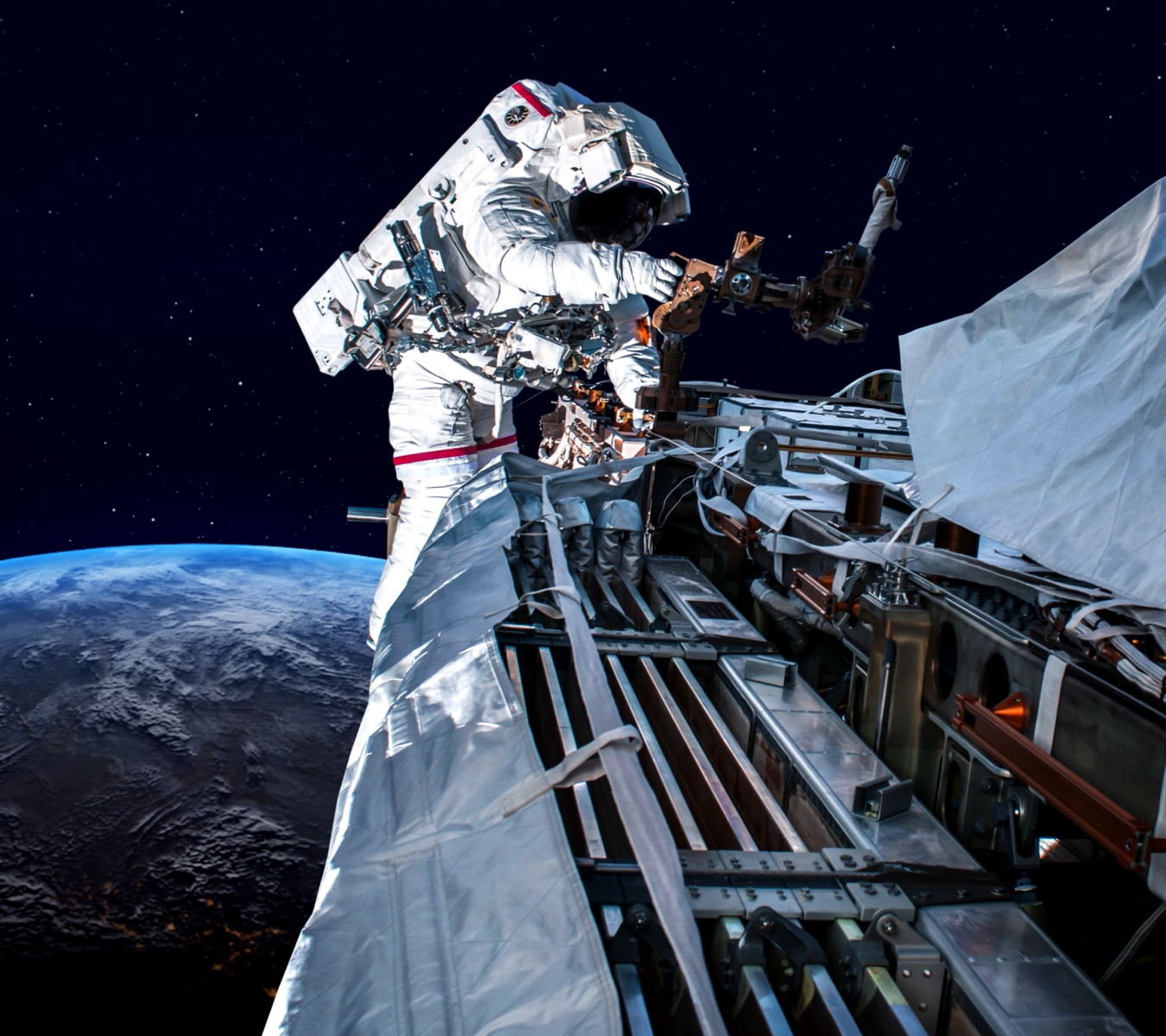
The Future of Bioastronautics
What will it take for humans to live and work beyond Earth?
As humanity pushes toward longer missions and permanent off-world presence, understanding human performance in space becomes increasingly critical. This session explores the technologies and research needed to support human life, health, and productivity in space.
When: Wednesday, Sept. 23 | 1:00 – 4:25 p.m.
Featured: Lunar habitats, oxygen-generation systems, mission operations, lunar dust mitigation, and the future of human exploration.

Building the Future Space Workforce
Who will build the future of space?
The continued growth of the space sector depends on a skilled and diverse workforce. This session brings together leaders from NASA, industry, government, and academia to discuss workforce development, technical training, and pathways into aerospace careers.
When: Thursday, Sept. 24 | 9:00 – 10:30 a.m.
Featured: NASA leaders and regional discussions on workforce readiness across the Southeast.
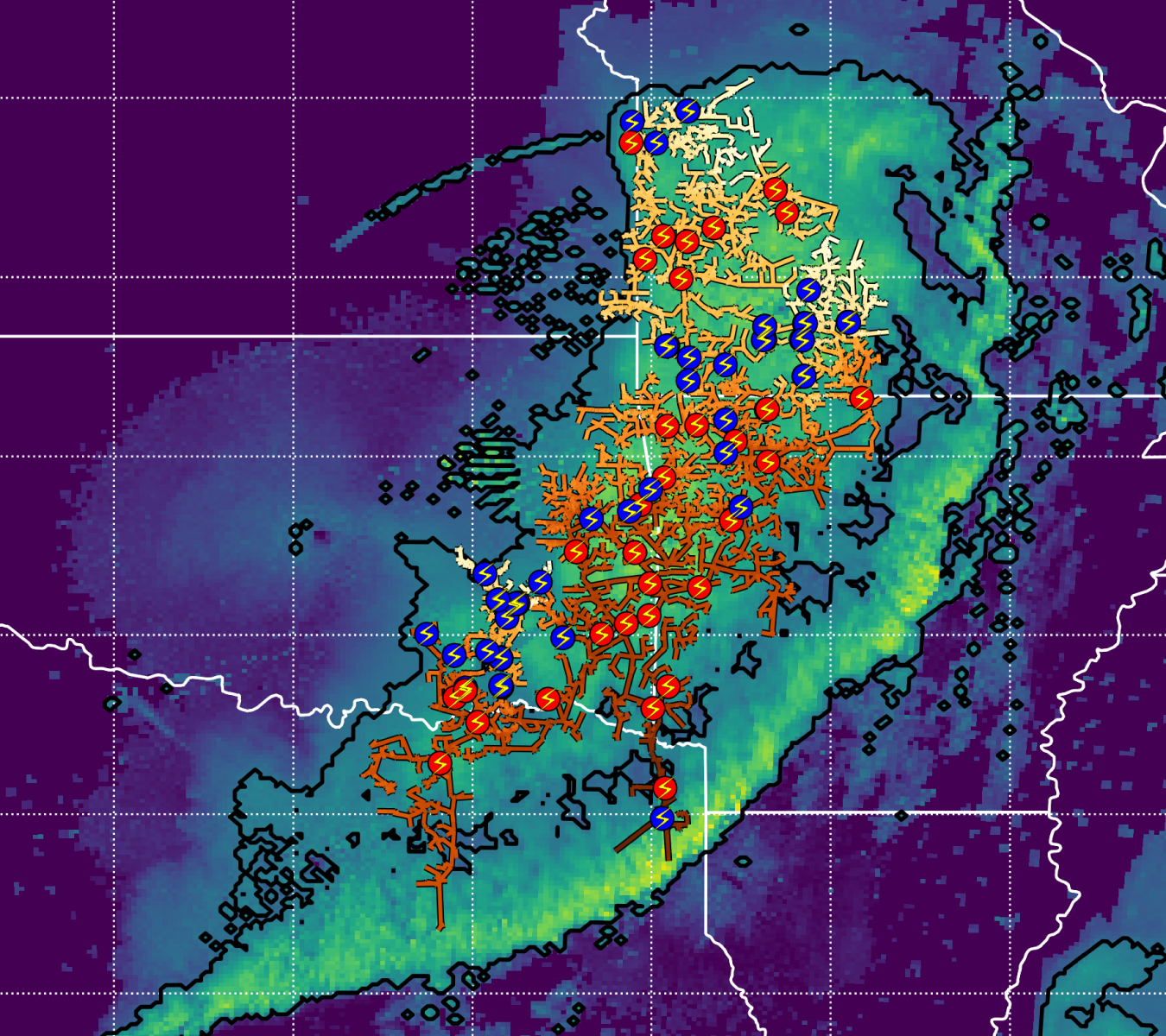
Terrestrial and Space Weather
How can we better predict disruptions between Earth and space?
Researchers are using lightning and atmospheric signals to better understand the ionosphere and space weather phenomena that affect communications, navigation, and other critical technologies. This session explores how improved monitoring and forecasting can support increasingly connected space operations.
When: Thursday, Sept. 24 | 1:00 – 3:30 p.m.
Featured: NASA, industry, and university experts discussing lightning-based sensing, mission assurance, and resilient communications.
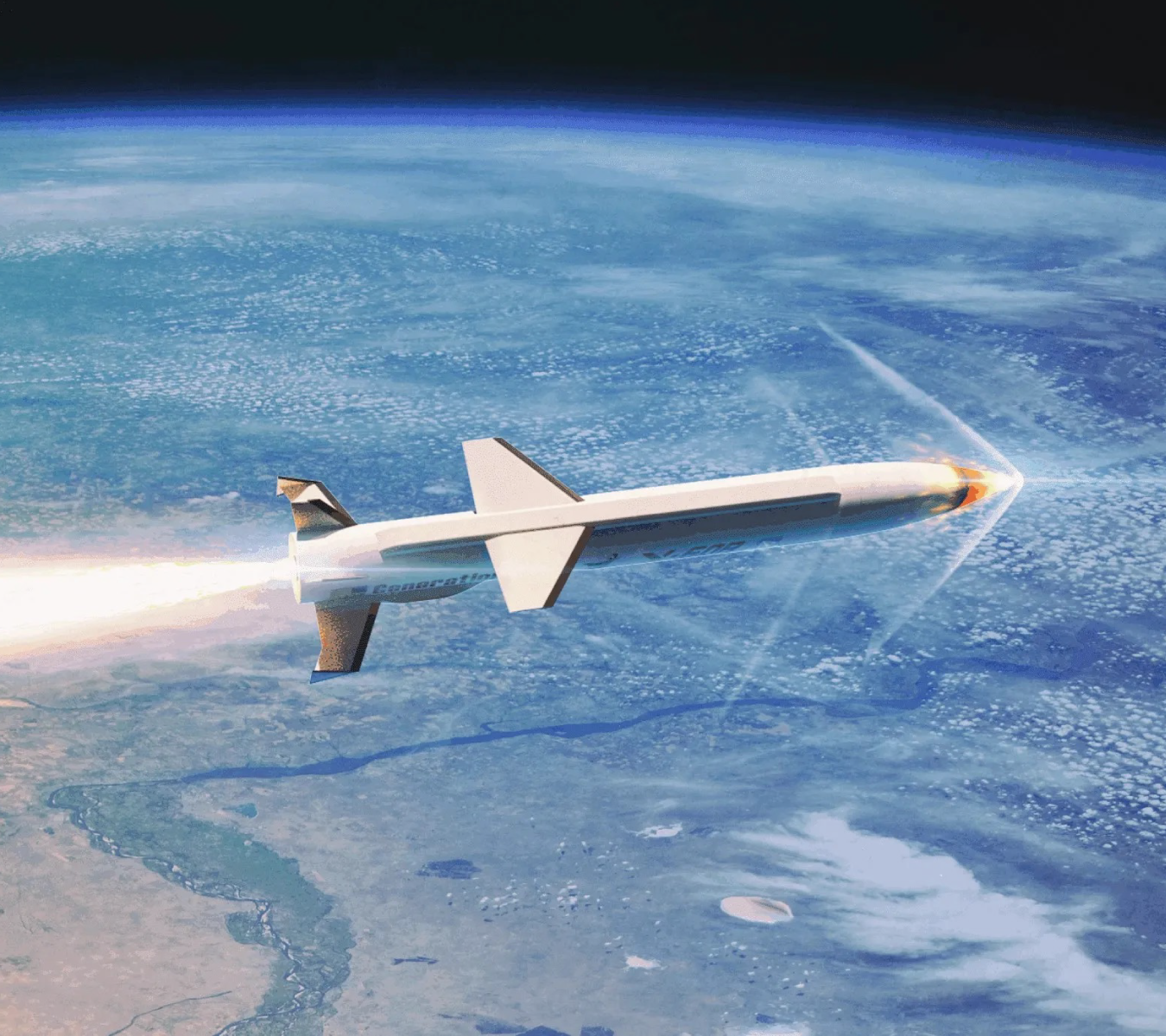
Hypersonics
What becomes possible when we travel at extreme speeds?
Hypersonic systems are reshaping the future of aerospace transportation, testing, and access to space. This symposium brings together researchers and industry experts working on technologies that enable flight at Mach 5 and beyond.
When: Thursday, Sept. 24 | 1:00 – 4:15 p.m.
Featured: High-speed flight, computational modeling, experimental testing, and Georgia Tech's innovative HyperSat program.
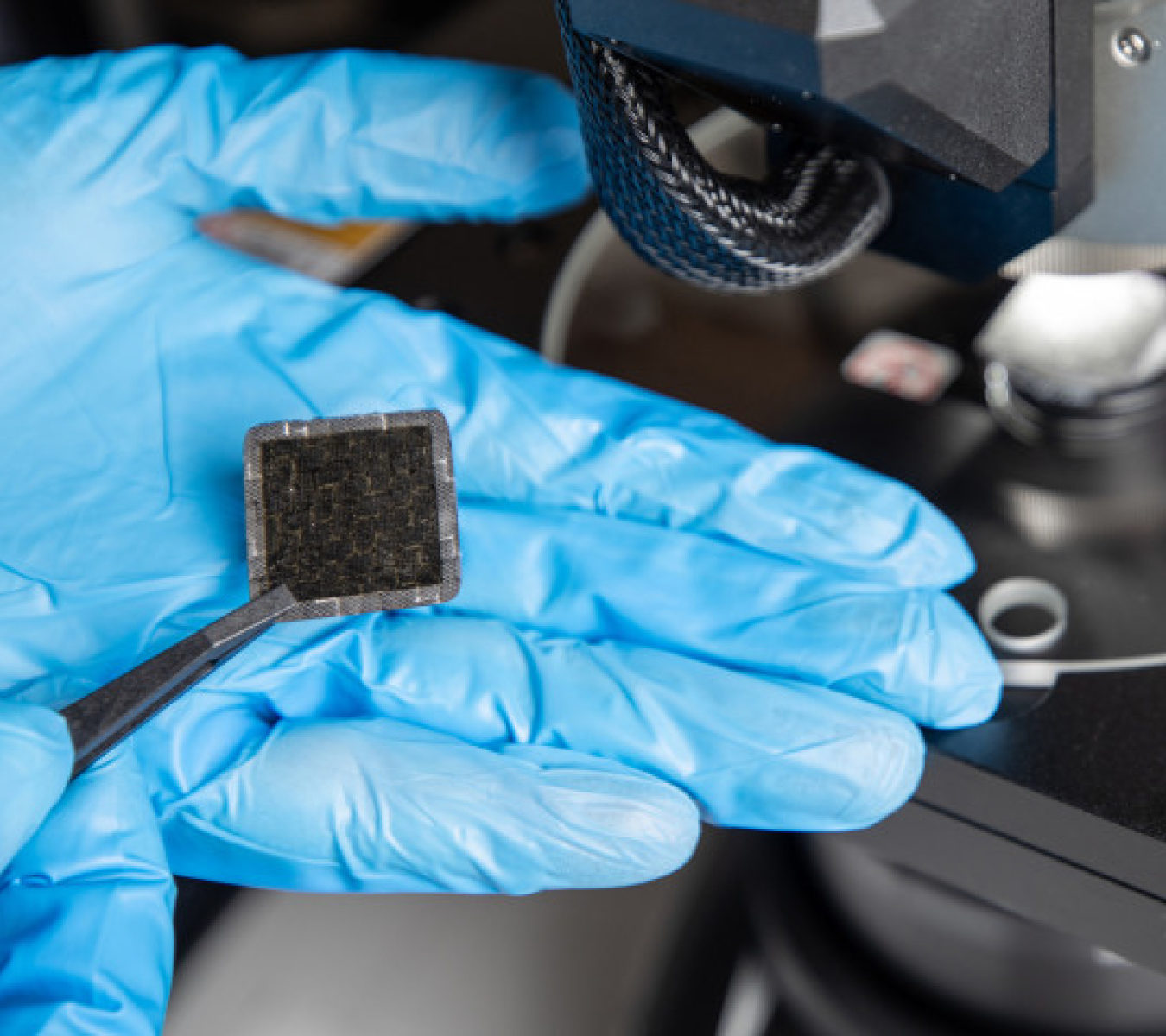
Space Weathering of Materials
How do we build spacecraft that can survive space?
Radiation, extreme temperature swings, and reactive particles constantly alter and degrade the materials we rely on beyond Earth. This session explores how researchers are working to better understand these effects and develop materials capable of supporting longer, more ambitious missions.
When: Friday, Sept. 25 | 9:00 a.m. – 12:30 p.m.
Featured: Research on atomic oxygen resistance, polymer degradation, lunar materials, space radiation effects, and next-generation space systems.
Support Space Week
Supporting Georgia Tech Space Week will connect your organization with a dynamic audience of researchers, industry leaders, and innovators shaping the future of space. Explore sponsorship opportunities to showcase your organization, build partnerships, and gain visibility across a week of high-impact events.
Satellite Events
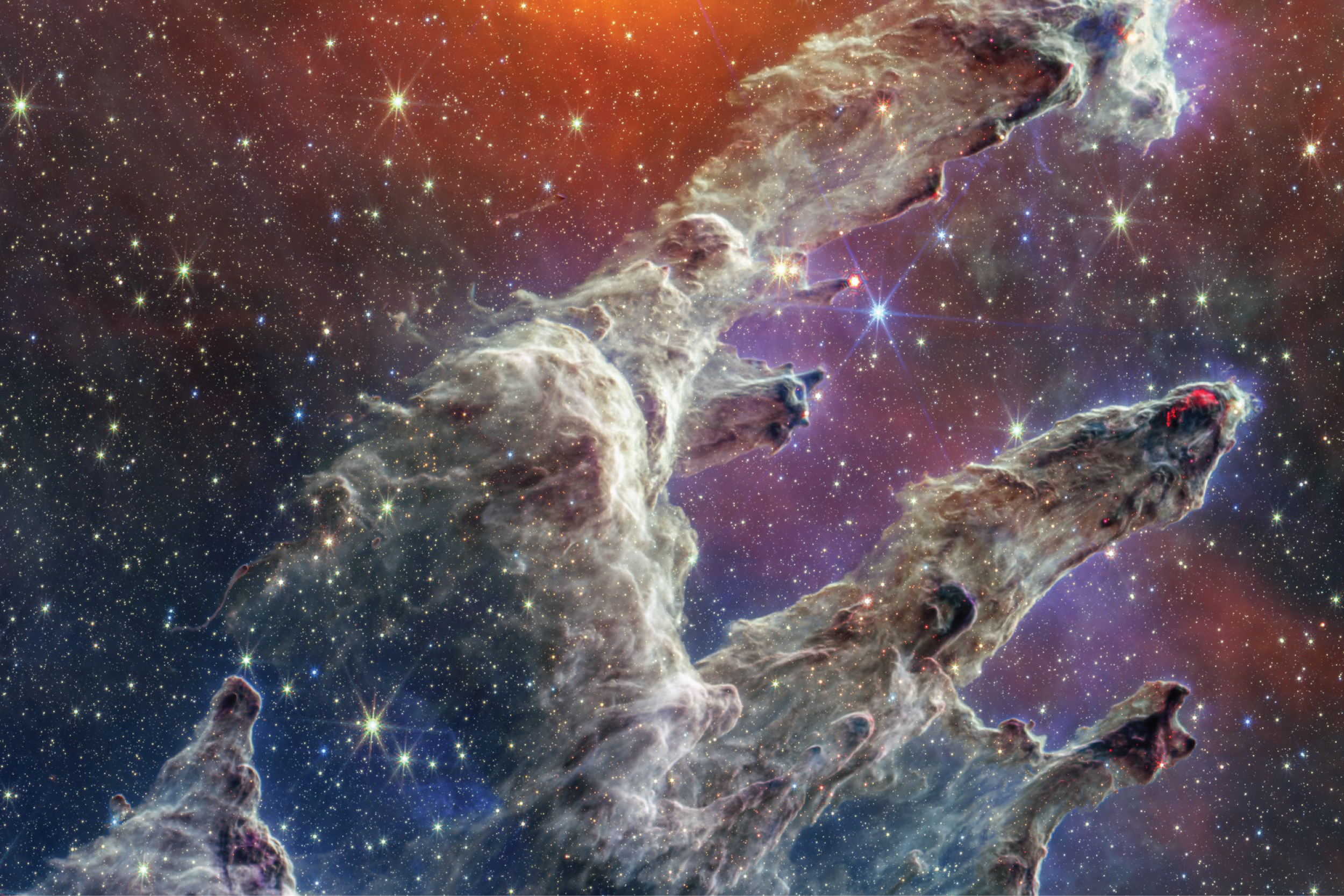
Origins and Diversification of Life on Earth
This two-part meeting series happening Sept. 22-25 explores one of science's biggest questions: how life emerged on Earth and evolved into increasingly complex forms. Sessions examine life's origins as a distinct scientific discipline and the role of compartmentalization in biological innovation. These meetings are satellite events of Georgia Tech Space Week.
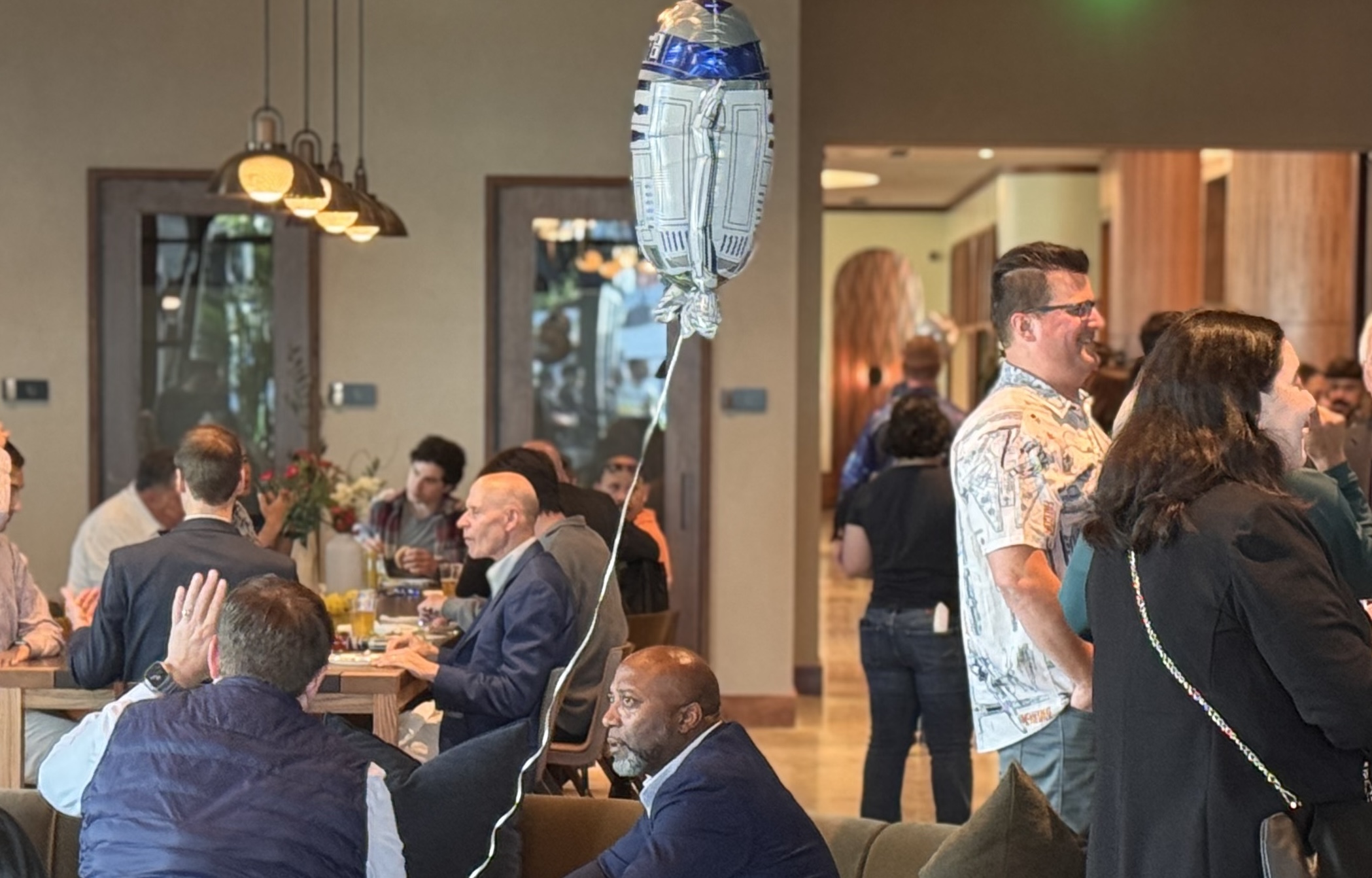
Launch and Libations
Kick off Georgia Tech Space Week by connecting with the people shaping the future of space. This networking reception brings together researchers, industry leaders, entrepreneurs, policymakers, investors, and students from across Georgia's growing space ecosystem. Whether you're looking to build new partnerships, exchange ideas, or expand your professional network, Launch and Libations offers an informal setting to connect with the region's space community.
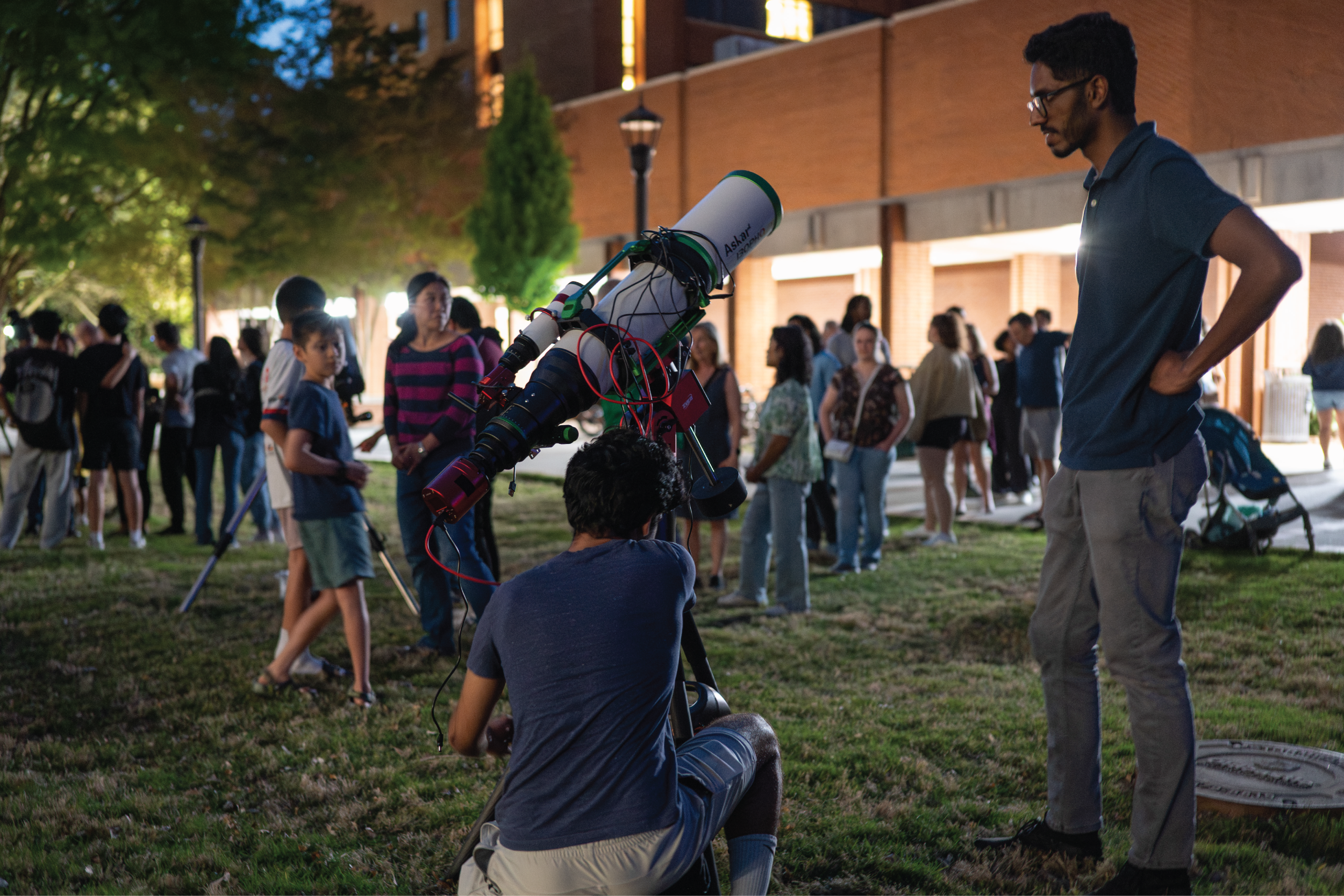
Public Observatory Night
Spend the penultimate night of Space Week under the stars at Georgia Tech's Public Observatory Night. Hosted by the School of Physics, this free community event invites visitors of all ages to explore the night sky through telescopes and learn about the celestial objects visible above Atlanta. Weather permitting, attendees will have the opportunity to observe the Moon and Albireo, a colorful double star system, while connecting with students, researchers, and fellow space enthusiasts.
Questions about the event? Contact Punya Mardhanan at pmardhanan3@gatech.edu.
Photos via NASA, SpaceWorks, and Georgia Tech.
Thank You To Our Sponsors